
The Influence of Emotion on Gambling Behavior
The psychology of gambling is intricately tied to emotions. Players often experience heightened emotions, which can lead to impulsive decisions. For instance, the thrill of a near win can evoke a feeling of elation that encourages continued play, despite the odds. This emotional rollercoaster is part and parcel of the gambling experience, often overshadowing rational thought and triggering a cycle of repeated betting. Interestingly, many enthusiasts may find a thrill in online games, exploring options like real money online casino canada, which can add to the excitement.

Moreover, emotions like excitement or disappointment can significantly influence game strategy. Gamblers may alter their approach based on their mood and past experiences, sometimes leading to strategies that are not grounded in solid statistical analysis. Understanding this emotional aspect is crucial for casinos, as it can dictate player behavior and, ultimately, their profitability.
The Role of Cognitive Bias in Gambling Decisions
Cognitive bias plays a significant role in how gamblers perceive their chances of winning. One common bias is the illusion of control, where players believe they have more influence over the game’s outcome than is statistically valid. This can lead to betting strategies based on mistaken beliefs about their ability to predict or influence results.
Another prevalent bias is the gambler’s fallacy, which is the belief that past outcomes can influence future ones. For example, a player might think that a slot machine is “due” for a win after a series of losses. These cognitive distortions can lead to irrational betting patterns that ultimately affect a player’s success at the casino.
The Importance of Group Dynamics in Casino Play
The social context in which gambling takes place can significantly impact strategies and outcomes. Casinos often encourage social interaction, whether through live games, tournaments, or shared gaming spaces. Players often share tips and strategies, consciously or unconsciously adopting the behaviors of those around them.
Group dynamics can also heighten the excitement of gambling, which may lead to riskier bets. The shared experience of winning or losing can create a sense of belonging, making it more likely for individuals to follow the crowd rather than relying on their judgment. Understanding these social influences can help both players and operators create a more engaging and potentially profitable environment.
Developing a Winning Mindset for Casino Games
Cultivating a winner’s mindset is essential for those looking to find success in casinos. This involves not just understanding the games but also mastering one’s emotions and reactions. A disciplined approach to gambling can involve setting limits, taking breaks, and knowing when to walk away. Such strategies can optimize the chances of coming out ahead.
Moreover, successful players often analyze previous games to refine their strategies. This reflective practice allows them to learn from their experiences and adapt their approaches based on what has worked previously. A focus on continuous improvement can be a powerful tool in developing winning strategies within the casino context.
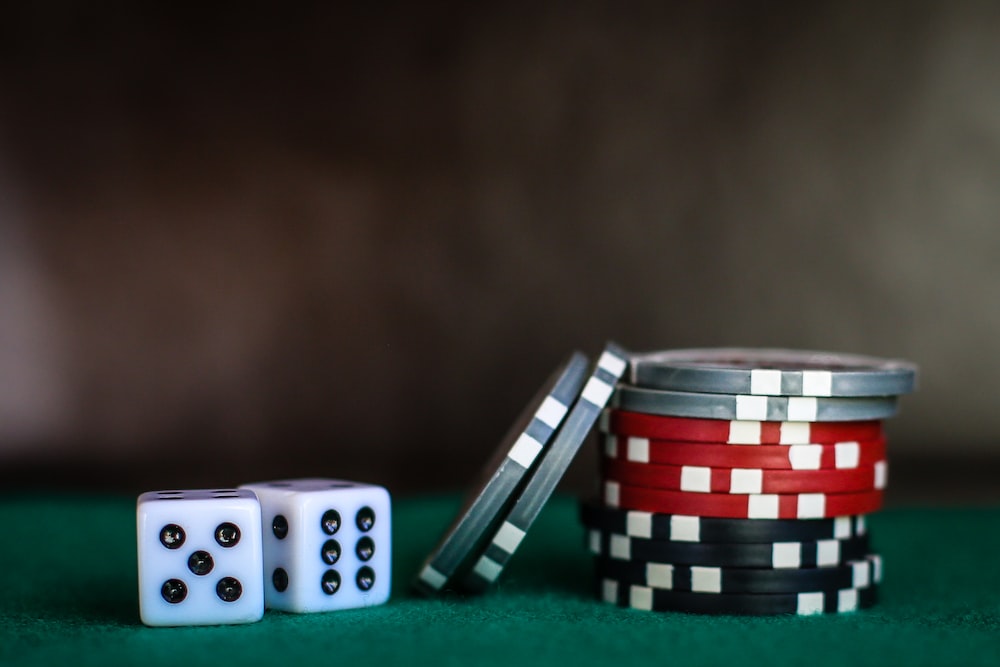
Understanding Casino Environment and Player Psychology
The overall environment of a casino significantly affects player psychology and behavior. Factors such as lighting, sounds, and layout are meticulously designed to create an exhilarating atmosphere that keeps players engaged. These sensory experiences can amplify excitement but also contribute to making impulsive decisions.
Casinos utilize psychological principles to enhance player experience and encourage longer play. Understanding these tactics can help players make more informed decisions about their gambling habits. By being aware of the psychological tricks used by casinos, players can better navigate their own strategies and ultimately enhance their chances of success.
