
I’ve noticed something interesting from talking to friends and readers. A lot of women would rather fast in a flexible way than on a strict schedule. They change their routine based on how much energy they have and how they live. This open-mindedness helps lower stress and makes it easier to stick to a fast. Every good intermittent fasting guide today includes this step-by-step method. Another useful tip is to align your fasting window with your sleep schedule.
- Your body already possesses the intelligence to incinerate and flush out toxins and waste it does not require naturally.
- There are many different types of fasts, making it easy to find a method that fits your lifestyle.
- Intermittent fasting is an eating pattern which cycles between periods of eating and not eating.
- Evidence shows short-term metabolic improvements but limited proof of lasting change without continued lifestyle modification.
- During this phase, insulin levels drop, allowing stored fat to be released and used as fuel.
- In light of all the evidence Dr. Pelz listed above, it is incredible that more people aren’t adopting a lifestyle of fasting.
Stage 5: 72+ Hours
However, like any dietary approach, it works best when it aligns with a person’s needs and is supported by healthy eating habits. The final stage of fasting is known as the long-term fasting state, or the starvation state. Insulin levels slowly continue to drop2 during this phase, while ketone levels steadily increase. Ketones serve as the body’s main source of energy, and the breakdown of amino acids (aka protein) from the muscle cells is reduced to help preserve muscle mass. Some people assume intermittent fasting is a free pass to indulge in unhealthy foods. While fasting improves metabolic flexibility, it does not erase the negative effects of processed, nutrient-poor diets.
You may experience hunger, fatigue, food cravings, and trouble concentrating. Honey contains natural sugars that many people enjoy after long fasting hours. Within a few weeks, many individuals notice more stable hunger patterns and improved energy levels.
Intermittent fasting is a pattern of eating based on time limits. At the end of the set time, you switch to very few or no calories, called fasting. Fasting for 36 instead of 24 hours extends the time your body has to rely on stored body fat as an energy source. This enhances fat burning and allows for longer periods of autophagy. Your body’s natural cellular cleaning process, autophagy, speeds up by a lot around the 24-hour mark of fasting.
📚 Fasting Benefits — What Science Actually Shows
The 12-hour fast can work as a long-term strategy to reset your metabolism and improve health. You might want to try other fasting methods later, but the 12-hour window remains a solid choice for many people looking to boost their health through diet changes. Animal studies show intermittent fasting might protect brain health by supporting nerve cells that aid cognitive function. Now that your body has been without food, Hours 4-16 are marked by the breakdown of stored energy, including the fat stored in adipose tissues. This is where the sweet spot is for intermittent fasters working towards weight loss.
Myth 2: Breakfast Is Essential for Health
This basically means that your body is being powered by ketones instead of carbs because you’re not eating. Start with small and easy-to-digest foods trustpilot like soups or smoothies and gradually introduce solid foods over several hours. Eating too much too quickly after a 24-hour fast can cause gastrointestinal issues such as abdominal pain, nausea, and diarrhea. While some people fast for 24 hours once a week, others practice this type of fast once or twice a month or whenever needed. Some people are tempted to consume large portions of rich foods after finishing a fast, which can cause digestive issues such as bloating, nausea, abdominal pain, and diarrhea. This explains why fasting without adequate hydration can increase the risk of kidney problems and kidney stones.
Optimize Your Life, One Friday at a Time
Fasting during Ramadan is physiologically similar to time-restricted eating, as both shift the body from glucose to fat use after 12–16 hours. The key difference is that Ramadan prohibits fluids during daylight hours, increasing dehydration risk. Sleep pattern changes during Ramadan can also influence metabolic outcomes. The evidence does suggest that intermittent fasting may lead to weight loss, but not in a way that is meaningfully different from other forms of calorie restriction. As appealing as a one-size-fits-all solution to weight loss might be, intermittent fasting isn’t it.
Lack of nutritional reserves
Dry fasting, when done right, can boost your immune system and aid stem cell regeneration. The benefit of dry fasting lies in how deeply it respects the natural rhythms of your body—something that trends and fads often ignore. If it doesn’t, find another way of living or lifestyle practice that does.
Things to Keep in Mind While Dry Fasting
Unlike fad diets, intermittent fasting does not eliminate food groups. Instead, it provides structure to eating times, making it easier for many people to control calorie intake naturally. The basic rules for 24-hour fasting are to abstain from eating food and only drink calorie-free beverages such as water, black coffee, or herbal teas to push your metabolism into a fat-burning mode. In addition, fasting has been shown to significantly increase levels of human growth hormone (HGH), which accelerates fat burning and helps prevent muscle loss while fasting. Fasting forces your liver to utilize stored body fat as a fuel source, thereby reducing fat mass and promoting weight loss. While weight loss depends on many factors, most people tend to lose between two to three pounds during a 24-hour fast.
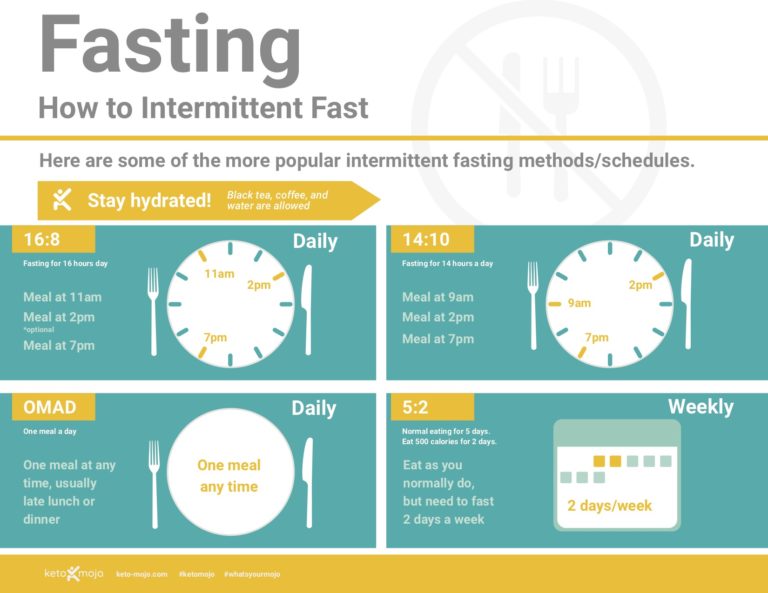
The 16/8 intermittent fasting method limits your daily food intake to an 8-hour window while you fast for 16 hours [5]. This method stands out as one of the most popular and eco-friendly forms of intermittent fasting that works well with most people’s sleep schedules and daily routines [6]. This guide summarizes findings across three levels of evidence — from well-proven human studies to early-stage and emerging research.
A Natural Source of Energy
I refuse to listen to Christians who think ONLY the “spiritual benefits” of fasting matter. And it is a massive oversight from those in the health/fitness/nutrition world who ONLY focus on the “physical benefits” and never mention the spiritual component. You begin tagging your self-worth with what other people are doing and saying about you. You have unique bodies, cell structures, and metabolic, physical, and biochemical reactions. While the media often focuses on physical transformation, the benefit of dry fasting extends to spiritual and emotional well-being, too—something ancient practices have always recognized. Almost every religion in the world advocates the benefits of fasting not just for physical, but also for emotional and spiritual health.
Millions of people search for intermittent fasting every month, hoping to lose weight, improve metabolic health, increase energy levels, and simplify their eating habits. Unlike traditional diets that focus heavily on calorie counting or food restrictions, intermittent fasting centers around when you eat rather than what you eat. While most of my research is on intermittent fasting, I’m also interested in questions about diet quality and food as medicine. For example, can eating lots of certain types of foods, for instance whole fruit or legumes, affect blood sugar levels? Can we formulate diets that might be able to reverse type 2 diabetes or mitigate hypertension? In the ever-changing world of nutrition advice, intermittent fasting has become one of the most widely discussed health approaches.
Eat nutritious meals before your fast
Now that you understand the different stages of fasting, you can choose the length of fast that best meets your health goals. For more details about different fasting schedules and how to use fasting as part of a healthy lifestyle, you may want to take a more in-depth look at fasting. The same study also had cancer patients fast throughout chemotherapy treatment. Normally, chemotherapy devastates the immune system, increasing the risk of infection and illness for cancer patients. The term is Greek for “self-eating,” and that’s exactly what happens. During autophagy, your cells check all their internal parts, find anything that’s old, damaged, or functioning poorly, and replace them with shiny new versions.
Ways to End Sugar Cravings for Good
From a general understanding, consuming any food or drink during fasting hours would break the fast. However, interpretations may vary based on personal beliefs and religious guidance. “Validating a metabolic intervention like this typically requires a controlled clinical setting, but we wanted to prove efficacy in the real world,” said Dr. Chris Rhodes, PhD, CEO of Mimio Health. Participants receiving the active formulation also reported greater satiety, indicating improved appetite regulation in an older population with elevated metabolic risk. The supplement was shown to be safe and well-tolerated for daily use. Non-caloric beverages such as water are typically allowed during fasting periods.
