
Exploring the mind Understanding the psychology behind gambling behavior
The Allure of Gambling
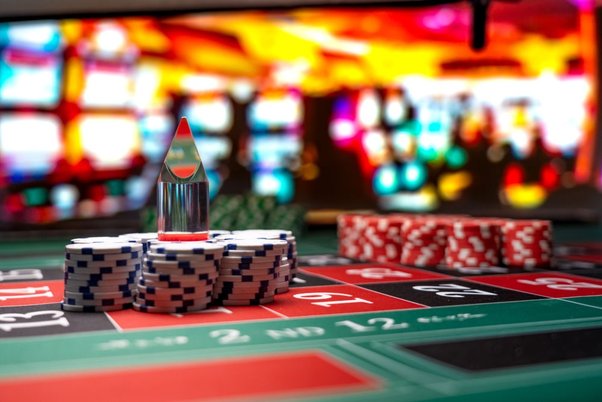
The psychology of gambling is deeply rooted in human behavior, driven by a mix of excitement and the desire for instant gratification. Many gamblers are drawn to the thrill of uncertainty, where every spin of a slot machine or shuffle of a deck holds the potential for big wins. This anticipation can trigger a rush of dopamine, the brain’s feel-good neurotransmitter, creating a loop that encourages repeated behavior. Players can also enjoy engaging options like the ice fishing game that further enhance this thrill.
The Role of Cognitive Biases
Cognitive biases significantly influence gambling behavior, leading players to make irrational decisions. For instance, the “gambler’s fallacy” is a common misconception where individuals believe that past outcomes affect future results. A player might think that after several losses, a win is imminent, despite each game being independent of the last. This bias can lead to prolonged gambling sessions, as individuals chase losses in the hope of a turnaround.